Anxiety is the most common psychological presenting concern at Anuradha Banerji Sarkar's South Delhi practice — and has been for all 35 years of her clinical work in the city. Delhi's particular combination of academic pressure, professional intensity, urban density, family obligation, and social comparison creates an environment in which anxiety is not merely common but, for many people, a defining feature of daily life. This article is a comprehensive guide to how clinical hypnotherapy addresses anxiety — not by managing it or suppressing it, but by reaching and resolving the patterns that create and sustain it.
If you have tried mindfulness, conventional therapy, medication, or simply a great deal of determined effort, and found that your anxiety persists — this article explains why, and what hypnotherapy offers that other approaches do not.
Why Delhi Produces So Much Anxiety — A Clinical Assessment
To understand why clinical hypnotherapy is particularly effective for Delhi's anxiety, it helps to understand what makes Delhi's anxiety distinctive. The city makes demands of its inhabitants that are, by any objective measure, extreme. The academic competition begins before the age of five in South Delhi's private school ecosystem, escalates through the board examination years, and reaches a peak with the entrance examination season for IIT, AIIMS, NLSIU, and the other elite institutions whose admission statistics are a matter of public anxiety in themselves. By the time a young person in GK or Saket has reached the age of 20, they have spent the majority of their conscious life in a state of evaluation.
Professional life continues the pattern. Delhi's corporate, legal, media, and government sectors combine global performance expectations with Indian social dynamics — the hierarchies, the relationships, the constant navigation of power and face — in ways that sustain a chronic low-grade stress that is simply taken as the cost of entry. Add to this the physical reality of Delhi: the traffic (which research has shown to be a significant physiological stressor), the air quality, the noise, the sheer sensory intensity of one of the world's largest cities — and you have an environment that taxes the nervous system continuously and relentlessly.
The result is a widespread pattern of hyperarousal — a nervous system that is chronically over-activated, that has learned to treat the normal conditions of Delhi life as threatening, and that cannot easily return to a state of genuine rest. This is not weakness. It is an understandable physiological and psychological response to a genuinely demanding environment. But it is also amenable to specific therapeutic intervention.
Why Hypnotherapy Reaches Where Other Approaches Cannot
The question most anxiety sufferers ask is a reasonable one: I have tried meditation, yoga, breathing exercises, talk therapy, and possibly medication — why is anxiety still here? The answer lies in understanding where anxiety actually lives. Anxiety does not primarily live in the rational, verbal, conscious mind — the part of the mind you can directly access through conversation, journalling, or deliberate thought. It lives in the deeper, pre-conscious layers of the psyche: in the early memories of experiences that first taught the nervous system to be afraid; in the subconscious beliefs about safety, control, and worthiness that formed before you had the cognitive capacity to evaluate them; in the bodily patterns of tension and activation that have become so habitual they feel like personality rather than learned response.
This is why the most intellectually sophisticated, self-aware anxiety sufferers in Delhi — people who understand their anxiety perfectly well, who can analyse it fluently, who know exactly what triggers it and why — can still find themselves completely unable to change it through understanding alone. Knowing is not the same as healing. And it is precisely the gap between knowing and healing that hypnotherapy addresses.
In a state of hypnotic relaxation, the critical, analytical conscious mind steps back, and the therapist gains access to the deeper layers where the anxiety actually lives. Therapeutic suggestions, guided imagery, and — where appropriate — regression to the earlier experiences that created the pattern can be applied at a level where lasting change becomes genuinely possible. The nervous system, which has learned to be afraid, can learn something different.
Types of Anxiety That Respond Well to Hypnotherapy
Generalised Anxiety Disorder (GAD) is characterised by persistent, pervasive worry that is not attached to any specific situation or trigger — a quality of constant, low-level apprehension that colours all of life and makes genuine relaxation feel impossible. GAD responds particularly well to hypnotherapy because the therapeutic state itself is deeply incompatible with the hyperarousal that maintains it. In a state of hypnotic relaxation, the nervous system receives the experience of genuine safety — sometimes for the first time in years — and this experience, accumulated across sessions, begins to recalibrate the baseline level of arousal.
Panic disorder and panic attacks are among the most distressing forms of anxiety and among those for which hypnotherapy produces some of the most dramatic results. A panic attack is the nervous system's emergency response triggered inappropriately — the body experiencing a genuine physiological emergency (racing heart, difficulty breathing, dizziness, terror) in the complete absence of objective danger. Hypnotherapy addresses this by identifying and neutralising the specific subconscious triggers that initiate the panic response, reducing the overall baseline arousal that makes attacks more likely, and building deep inner resources of calm and safety that the client can access when they feel a panic attack beginning.
Social anxiety — the persistent fear of negative evaluation in social situations — is a particularly significant problem in Delhi's professional environment, where the ability to present confidently, network effectively, and perform in front of senior stakeholders is often career-defining. Social anxiety responds well to hypnotherapy because it is driven by deeply held subconscious beliefs about the self — typically something like "I am fundamentally inadequate and will be exposed" — that rational reassurance cannot adequately address but that hypnotherapeutic suggestion can.
Health anxiety is the preoccupation with having or developing a serious medical condition, and its prevalence has increased significantly since the pandemic. Hypnotherapy addresses both the catastrophic thinking patterns that sustain health anxiety and the underlying existential fears about mortality and loss of control that typically drive it.
Performance anxiety — in examinations, presentations, competitive sport, creative performance, or any high-stakes situation — responds to hypnotherapy's specific ability to build a different relationship with pressure and evaluation at the subconscious level.
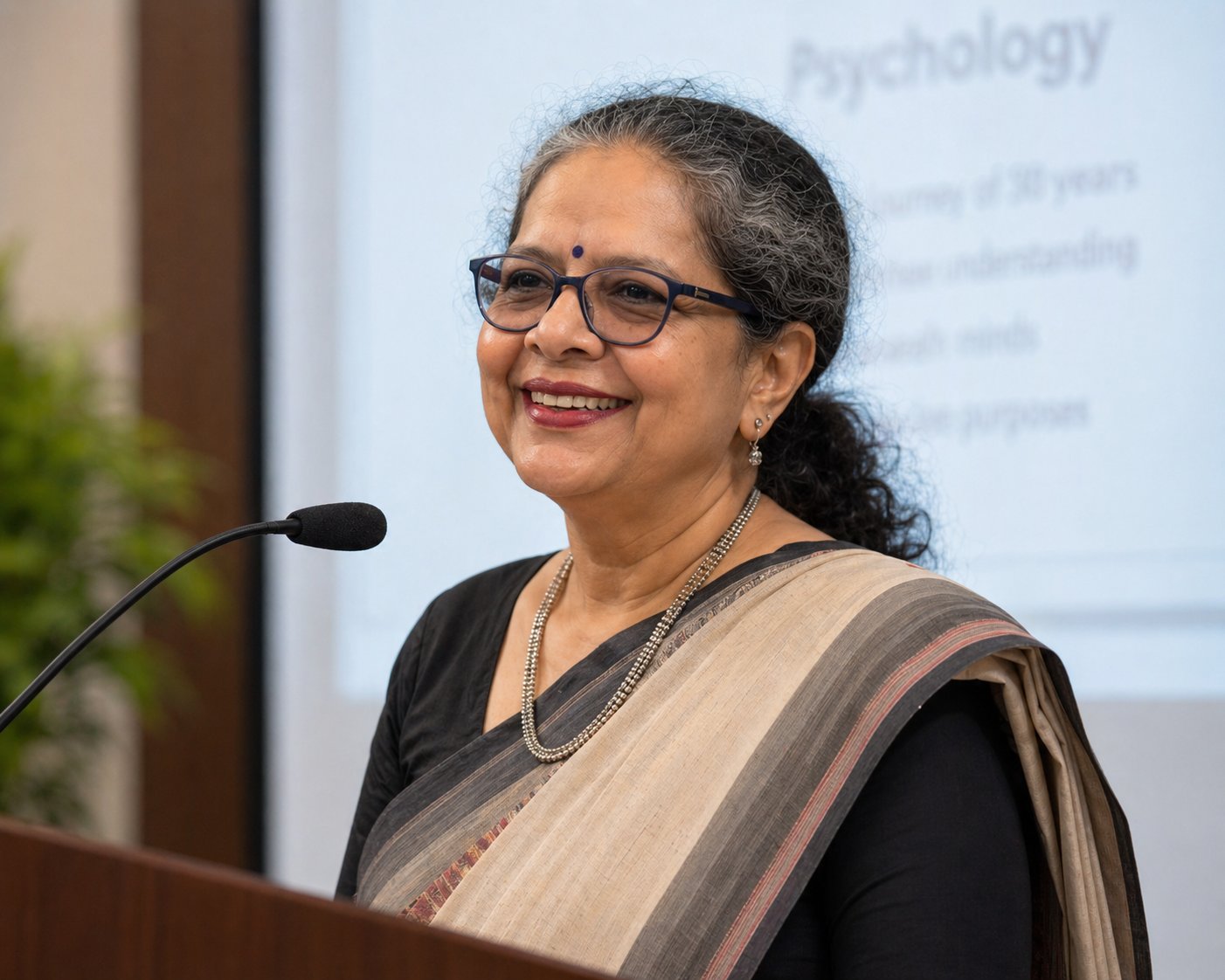
Inside a Hypnotherapy Session for Anxiety — Step by Step
Understanding what actually happens in a hypnotherapy session for anxiety helps demystify the process and reduce the anticipatory anxiety that some clients experience about trying it.
The first session begins with a detailed clinical conversation — typically 20 to 30 minutes. Anuradha needs to understand your anxiety specifically: how long you have had it, how it manifests in your body, what triggers it, what makes it better or worse, what you have already tried, what your life looks like when anxiety is at its worst, and what you are hoping for from the work. This is not a perfunctory intake process — it is the clinical foundation on which the entire treatment is built.
Anuradha then explains the hypnotherapeutic process clearly, answering any questions and addressing any concerns. Nothing happens without your full informed consent and understanding. The experience of being in control of the process — knowing exactly what will happen and why — is itself therapeutically valuable for anxiety clients, many of whom have a strong need to understand and manage their experiences.
The induction is conducted using a combination of progressive muscle relaxation, guided imagery, and focused attention techniques. For most clients, this takes between 10 and 20 minutes. The resulting state is pleasant — typically described as deeply restful, as if the volume of daily life has been turned down and a quieter, more spacious quality of awareness has become available.
In this state, Anuradha works with several specific elements. Direct positive suggestion embeds new patterns of calm, safety, and confidence at the subconscious level — creating the neurological equivalent of a new default, a new baseline that the nervous system can return to. Guided imagery helps the client encounter their anxiety in a different internal landscape, find their own resources to meet it, and experience what it feels like to respond to triggering situations from a place of groundedness rather than fear. Where the anxiety has identifiable earlier roots, regression work — gently revisiting and completing earlier experiences therapeutically — can produce changes that no amount of present-moment work achieves.
Each session ends with an integration conversation — 10 to 15 minutes — and often with specific recordings or practices to use between sessions. What happens in the week between sessions is an important part of the therapeutic process.
Results, Timeline, and What to Realistically Expect
Hypnotherapy for anxiety produces results that vary considerably by individual, by the nature and severity of the anxiety, and by engagement with the between-session work. However, certain patterns emerge consistently in Anuradha's 35 years of practice.
Many clients notice a meaningful shift in their baseline anxiety level after the very first session — a sense of calm and spaciousness that is qualitatively different from their usual state and that can last for several days. This is encouraging and is a genuine therapeutic effect, but it is not the whole treatment. The first session establishes that change is possible. The subsequent sessions consolidate it.
For most anxiety presentations, significant and reliable improvement is achieved over four to six sessions. For generalised anxiety disorder or panic disorder, a more comprehensive course of six to ten sessions produces the most durable results. The improvements achieved through hypnotherapy for anxiety tend to be genuinely lasting — because the approach addresses the patterns and beliefs that create the anxiety, rather than simply suppressing the symptoms.
This compares favourably with medication for anxiety, which is effective at symptom management but requires ongoing use, produces dependency with some agents, and does not address the underlying patterns that will continue to generate anxiety once the medication is discontinued. Many of Anuradha's clients use hypnotherapy alongside prescribed medication — with the agreement of their prescribing doctor — and find that the combination produces faster and more complete results than either alone.
Booking Anxiety Hypnotherapy in South Delhi
Sessions are available in-person at Anuradha's South Delhi practice — accessible from Saket, Greater Kailash, Defence Colony, Lajpat Nagar, Malviya Nagar, Hauz Khas, Vasant Vihar, and all of South Delhi — and online for clients across Delhi NCR including Gurgaon, Noida, Faridabad, and Ghaziabad, as well as pan-India and internationally. The fee is ₹2,000 per 60-minute session. Sessions are conducted in English, Hindi, and Bengali. The clinic is open Monday to Saturday, 10 AM to 7 PM; Sunday sessions are available by prior appointment.
The first step is simply to reach out — via the WhatsApp or email buttons on this page. You do not need to have your anxiety fully diagnosed or clearly defined. Anuradha will listen and help you understand what approach is most appropriate for your specific situation.
When Anxiety Lives in the Body — Somatic Presentations
A significant proportion of anxiety presentations in South Delhi's clinical population are primarily somatic — the anxiety lives in the body before it surfaces as conscious thought. Chronic muscle tension, particularly in the neck, shoulders, jaw, and chest. IBS and digestive disturbance that worsens reliably under stress and is unresponsive to dietary changes. Heart palpitations that have been thoroughly investigated by cardiologists and found to have no cardiac cause. Skin conditions — eczema, psoriasis — that flare in correspondence with life stress. Fatigue that has no physiological explanation and does not improve with rest.
These presentations are often seen by multiple medical specialists before they reach a psychologist, by which point the client has spent years being treated for the physical symptom while the psychological root remains unaddressed. The cycle is deeply frustrating: the body is clearly producing real discomfort, the discomfort is clearly associated with stress and life events, and yet the medical model cannot fully address it. Hypnotherapy is particularly effective for these somatic anxiety presentations because it can work directly with the nervous system state generating the physical symptoms, producing changes that purely cognitive approaches cannot reach as efficiently.
Anxiety in Delhi's Professional Class — A Specific Profile
Professional anxiety in Delhi has a distinctive quality that differs from general anxiety in clinically important ways. The high-achieving professional — the lawyer, the tech executive, the senior civil servant, the startup founder — brings to their anxiety a specific set of complicating factors: a deep investment in the image of competence and control that makes acknowledging anxiety feel professionally dangerous; a cognitive sophistication that understands the anxiety perfectly and yet finds that understanding inadequate to change it; and a lifestyle that sustains the anxiety through overwork, under-rest, caffeine dependency, and the chronic suppression of the emotional responses that the professional environment does not have space for.
For this client group, hypnotherapy addresses both the surface manifestation of the anxiety and the deeper patterns driving it — particularly the perfectionistic and control-oriented belief systems that make the professional environment feel so high-stakes, and that sustain the hyperarousal that prevents genuine recovery even during nominally non-work time. Many of Anuradha's most satisfied professional clients describe the experience of hypnotherapy for anxiety as a kind of permission — permission, finally, to be something other than relentlessly competent; permission to be uncertain, tired, or afraid without it meaning that they are failing. This permission, experienced at the subconscious level where it matters, is itself profoundly therapeutic.
The Integrated Approach — Combining Hypnotherapy with CBT for Anxiety
The most effective approach to anxiety treatment in Anuradha's South Delhi practice consistently involves both hypnotherapy and CBT — used in a carefully integrated sequence that draws on the distinct strengths of each. CBT provides the conscious tools: the capacity to identify catastrophic thoughts, examine them against evidence, and replace them with more balanced alternatives. It provides specific skills for behavioural change — the exposure exercises that gradually reduce anxiety about specific situations, the activity scheduling that provides structure during periods of high anxiety. These conscious tools are genuinely valuable and produce lasting improvements in many clients.
Hypnotherapy provides what CBT cannot reach: direct access to the subconscious patterns from which the anxious thoughts are generated. Many CBT clients find that they can identify and challenge their anxious thoughts effectively in the session — but that the same thoughts return the next morning, generated again by the same subconscious processes that CBT alone has not changed. Hypnotherapy addresses these subconscious generators directly, reducing not just the frequency of anxious thoughts but the underlying arousal state from which they arise. The combination is consistently more effective than either approach alone — and the sequence in which they are combined is itself a clinical skill that Anuradha has developed through decades of integrative practice.
Self-Hypnosis for Anxiety — What to Do Between Sessions
One of the most valuable components of hypnotherapy for anxiety is the self-hypnosis practice that Anuradha teaches all her anxiety clients — a set of techniques that can be used independently between sessions to reinforce the therapeutic work and to manage acute anxiety when it arises. Self-hypnosis is not a replacement for clinical hypnotherapy sessions; it cannot reach the depth or produce the targeted change that a skilled therapist can achieve in the clinical setting. But it is a genuine tool for managing the experience of anxiety in daily life — accessible, free, and available at any moment the client needs it.
The basic self-hypnosis practice Anuradha teaches involves three components: a brief induction (typically 3 to 5 minutes of focused breathing and progressive relaxation), a specific suggestion or visualisation designed for the client's particular anxiety pattern, and a gradual return to ordinary alertness. Practised daily — ideally at the same time each day to build a habitual neurological association — self-hypnosis produces a cumulative reduction in baseline anxiety that reinforces and extends the clinical work. Many of Anuradha's South Delhi anxiety clients report that their self-hypnosis practice becomes one of the most valued parts of their daily routine, providing a reliable access point to the calm inner state that the clinical sessions have established.
When to Seek Help — And Why Sooner Is Better
The most common reason people in South Delhi delay seeking help for anxiety is the expectation that they should be able to manage it themselves — that the strength and competence they display professionally should extend to their own psychological distress. This is a misunderstanding of how anxiety works. Anxiety is not a character problem or a failure of resilience. It is a learned pattern — maintained by the nervous system and the subconscious mind — that responds to specific therapeutic interventions in ways it does not respond to willpower or self-management. Seeking help for anxiety is not weakness; it is the application of appropriate expertise to a specific clinical challenge. And the sooner appropriate help begins, the less entrenched the pattern and the faster and more complete the outcomes. If anxiety has been with you for more than a few months and is affecting the quality of your daily life, that is sufficient reason to reach out. Use the contact buttons on this page. Rs.2,000 per session. In-person in South Delhi and online. Response within 24 hours.